


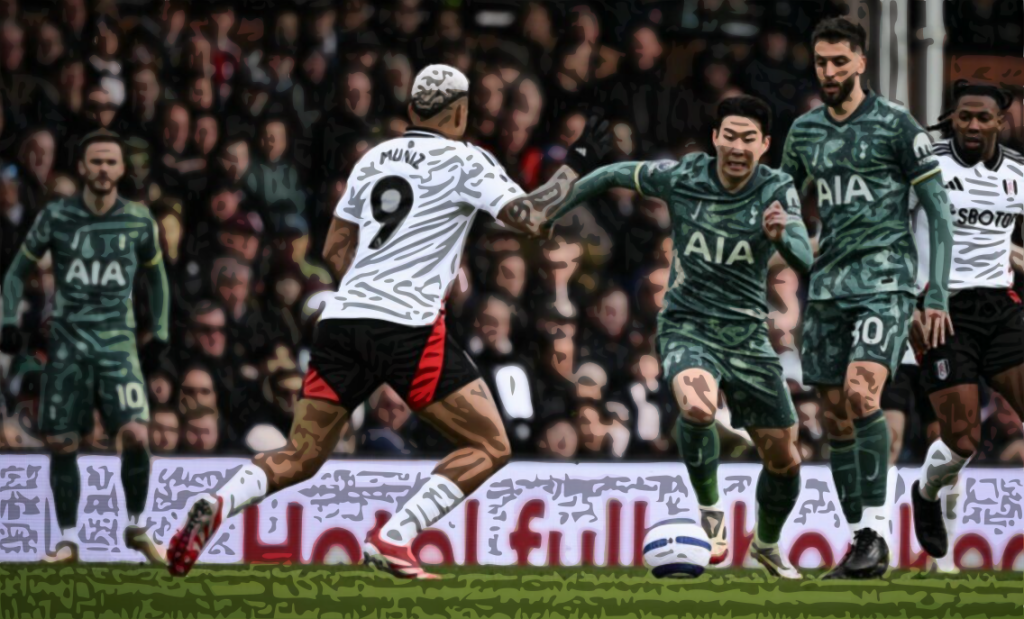
The final whistle at Craven Cottage confirmed more than just a London derby victory for Fulham; it underscored a potent truth about modern football: the transformative power residing on the substitutes’ bench. Marco Silva’s side, locked in a tight contest against Tottenham Hotspur, ultimately secured a decisive 2-0 win courtesy of late strikes from two players introduced from the sidelines: Rodrigo Muniz and former Spurs man Ryan Sessegnon. This late surge, orchestrated by astute managerial interventions, not only propelled Fulham up the Premier League table but also served as a compelling illustration of how effectively utilized squad depth can decisively alter the complexion of a match in its crucial final stages.
For Manchester United, a club with its own ambitions of sustained success and a history of utilizing impactful substitutes, Fulham’s triumph offers a valuable lens through which to examine their own game management strategies. In the relentless ebb and flow of a Premier League season, where fine margins often separate victory from disappointment, the ability to introduce game-changing players from the bench at pivotal moments can prove to be the difference-maker. Can Manchester United glean insights from Fulham’s clinical deployment of their substitutes and refine their own approach to leverage their squad depth more effectively in tight encounters?
The match between Fulham and Tottenham painted a familiar picture of a closely fought derby, characterized by periods of tactical maneuvering and fleeting opportunities. While the first half remained goalless, both sides had their moments. Fulham displayed intent, with Timothy Castagne forcing a save and Antonee Robinson’s cross nearly finding Raúl Jiménez. Tottenham, though initially subdued in attack, gradually grew into the game.
The second half witnessed an increased tempo and more clear-cut chances at both ends. Dominic Solanke and Willian both went close to breaking the deadlock, highlighting the precarious balance of the contest. However, it was Fulham who ultimately seized the initiative in the latter stages, a direct consequence of Silva’s timely substitutions.
The first significant change for Fulham came in the 63rd minute, with Rodrigo Muniz replacing Raúl Jiménez. This substitution injected fresh impetus into Fulham’s forward line. Then, with just minutes remaining and the score still locked at 0-0, Silva made another decisive move, bringing on Ryan Sessegnon for Willian in the 87th minute. This substitution, in particular, proved to be a masterstroke.
Just a minute after entering the fray, Sessegnon haunted his former club. Capitalizing on a long clearance, he displayed strength to outmuscle Ben Davies on the edge of the box before unleashing a sublime right-footed strike into the top corner, sparking jubilant scenes at Craven Cottage. This goal, arriving in the 88th minute, not only broke the deadlock but also showcased the immediate impact a well-timed substitution can have.
Moments earlier, in the 78th minute, it was the other substitute, Rodrigo Muniz, who had provided the crucial breakthrough. Following good pressing from Willian and Robinson, Andreas Pereira teed up his teammate, who finished expertly with a low shot inside the post. This goal, assisted by another influential player in Pereira, who himself came on in the 72nd minute for Emile Smith Rowe, underscored the collective impact of Fulham’s changes in the final third.
The introduction of these fresh legs and different skill sets disrupted Tottenham’s defensive rhythm and provided Fulham with the cutting edge they had been lacking. Muniz’s presence offered a focal point in attack, while Sessegnon’s pace and directness on the flank stretched the Tottenham defense. Pereira’s creativity in midfield also played a vital role in the build-up to the opening goal.
For Manchester United, observing Fulham’s late show offers pertinent lessons in the art of game management through substitutions. While the Red Devils boast a squad with considerable depth, particularly in attacking areas, the effectiveness of their substitutions has at times been inconsistent. Understanding the nuances of timing, player selection, and tactical adjustments when making changes can be crucial for unlocking tight games or preserving slender leads.
Several key takeaways emerge from Fulham’s successful deployment of their substitutes:
- The Importance of Proactive Changes: Marco Silva’s substitutions were not merely reactive; they were proactive moves aimed at injecting energy and altering the tactical dynamic of the game while the match was still in the balance. Waiting too long to make changes can often mean missed opportunities to influence the outcome. Manchester United could benefit from a more proactive approach to substitutions, particularly when the game is not unfolding as desired. Identifying key moments where fresh legs or a change in approach could provide an advantage is crucial.
- Targeted Substitutions for Specific Impact: Fulham’s substitutions were not just about bringing on any available player; they appeared to be targeted moves designed to address specific needs within the game. Muniz offered a different physical presence upfront, while Sessegnon provided pace and a direct threat from the wing. Manchester United should similarly consider the specific attributes of their substitutes and how they can be deployed to exploit opposition weaknesses or provide a different dimension to their own attack or defense.
- The Psychological Impact of Substitutions: The introduction of fresh, motivated players can have a significant psychological impact on both the substituting team and their opponents. For Fulham, the arrival of Muniz and Sessegnon clearly provided a lift and a renewed sense of purpose, while Tottenham’s defense may have struggled to cope with these new threats in the latter stages. Manchester United can leverage this psychological aspect by introducing players who can inject energy and create uncertainty in the opposition ranks.
- Trusting Squad Depth: Fulham’s victory demonstrated the value of having a squad where players coming off the bench can genuinely make a difference. Marco Silva clearly had faith in the ability of Muniz and Sessegnon to impact the game. Manchester United, with their investment in players across various positions, need to foster a similar level of trust in their squad depth and empower substitutes to take responsibility and influence matches.
To apply these lessons, Manchester United could consider the following strategies regarding their use of substitutes:
- Earlier and More Decisive Changes: Be prepared to make substitutions earlier in the second half, particularly if the team is struggling to break down the opposition or needs a change of tempo. Avoid waiting until the final ten or fifteen minutes to introduce fresh legs unless tactically necessary for seeing out a game.
- Tailoring Substitutions to the Game State: Analyze the specific needs of the match when considering substitutions. If the team needs a goal, introduce attacking players with different skill sets – perhaps a target man, a quick winger, or a creative midfielder. If defending a lead, consider bringing on players who offer defensive stability and tactical discipline.
- Empowering Substitutes to Take Risks: Encourage players coming off the bench to be proactive and take risks in the final third. They have less to lose and can often surprise tired opponents with moments of individual brilliance or unexpected tactical moves.
- Developing Clear Roles for Impact Substitutes: Consider identifying specific players within the squad who are particularly adept at coming off the bench and making an immediate impact. Ensure they understand their roles and are prepared to inject energy and change the game’s dynamic.
Reflecting on Manchester United’s recent matches, there have been instances where more impactful or timely substitutions might have altered the outcome. Opportunities to break down stubborn defenses or regain control in midfield have sometimes been missed by delaying changes or opting for substitutions that did not sufficiently address the team’s needs at that specific moment.
The victory at Craven Cottage serves as a potent reminder that in the demanding landscape of the Premier League, the 11 players who start the match are only part of the equation. The ability of the manager to strategically deploy the resources available on the bench can be a critical determinant of success, particularly in tight, evenly contested encounters. Fulham’s late goals, orchestrated by the vision and decisiveness of Marco Silva and the impactful contributions of his substitutes, provide a compelling blueprint for Manchester United to consider as they strive to maximize their own tactical flexibility and game-management prowess in the pursuit of their season’s objectives. The power of the substitutes’ bench, as vividly demonstrated by Fulham, is a force that Manchester United would be wise to fully harness.