

Bruno Fernandes’ arrival at Manchester United in January 2020 injected much-needed creativity and attacking impetus into a stagnant side. The Portuguese midfielder quickly established himself as the team’s talisman, dictating play from an advanced attacking midfield position and contributing a prolific number of goals and assists. However, with Ruben Amorim’s appointment as manager and the subsequent tactical shifts, Fernandes has been tasked with adapting his game and embracing a deeper, more multifaceted role.
The source material, centred on the Manchester Derby, provides valuable insights into this evolving role for Fernandes. No longer solely focused on creating scoring opportunities in the final third, he now operates as a deep-lying playmaker, tasked with orchestrating United’s build-up play and influencing the game from a more withdrawn position.
Here’s a deeper exploration of the factors driving Fernandes’ tactical evolution and the key attributes he brings to this new role:
From Attacking Midfielder to Deep-Lying Playmaker: Adapting to Amorim’s System
Amorim’s tactical philosophy emphasizes patient build-up play, midfield control, and positional discipline. This approach necessitates midfielders who are comfortable receiving the ball under pressure, capable of dictating tempo, and possess the vision to unlock defences from deeper areas. While Fernandes’ instincts lean towards attacking, his technical quality and tactical intelligence have enabled him to adapt to this deeper role.
- Dictating Tempo and Orchestrating Build-up: The commentary highlights Fernandes’ involvement in the early stages of the match, noting his positioning alongside the deeper midfielders. This positioning allows him to receive the ball from the defenders, initiate attacks, and dictate the pace of the game. His passing range, both short and long, enables him to switch play, find runners in advanced positions, and break opposition lines with incisive through balls.
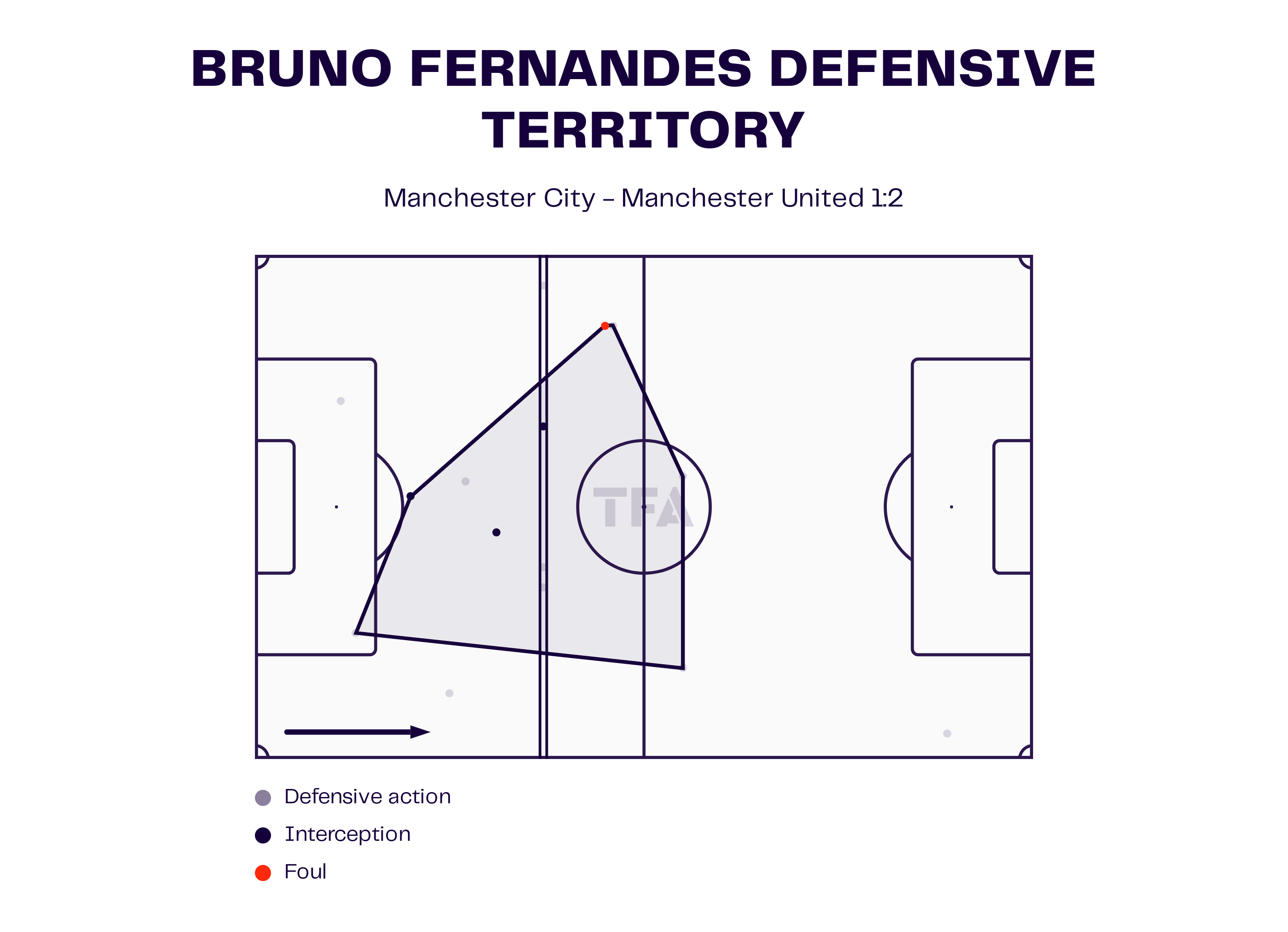
- Defensive Responsibilities and Discipline: The commentator raises a pertinent question regarding Fernandes’ defensive work rate in his new role, asking: “Bruno Fernandes in this deeper role, we know he’s got great creativity, but how will he work? How disciplined will he be when they haven’t got the ball?” This question underscores the demands of Amorim’s system, which requires midfielders to contribute defensively, track runners, and maintain positional discipline. While Fernandes might not be a natural ball-winner, his tactical awareness and work ethic are evident in his willingness to fulfil these defensive duties.
- Leadership and Influence: Despite operating from a deeper position, Fernandes remains a vocal and influential presence on the pitch. His leadership qualities are crucial in guiding his teammates, organizing the midfield, and maintaining a high level of intensity throughout the match.
Thriving in a Multifaceted Role: Fernandes’ Adaptability and Key Attributes
Fernandes’ success in this evolving role stems from his ability to blend his natural attacking instincts with the tactical demands of Amorim’s system. His key attributes, honed over years of playing at the highest level, make him well-suited to thrive in this multifaceted midfield position.
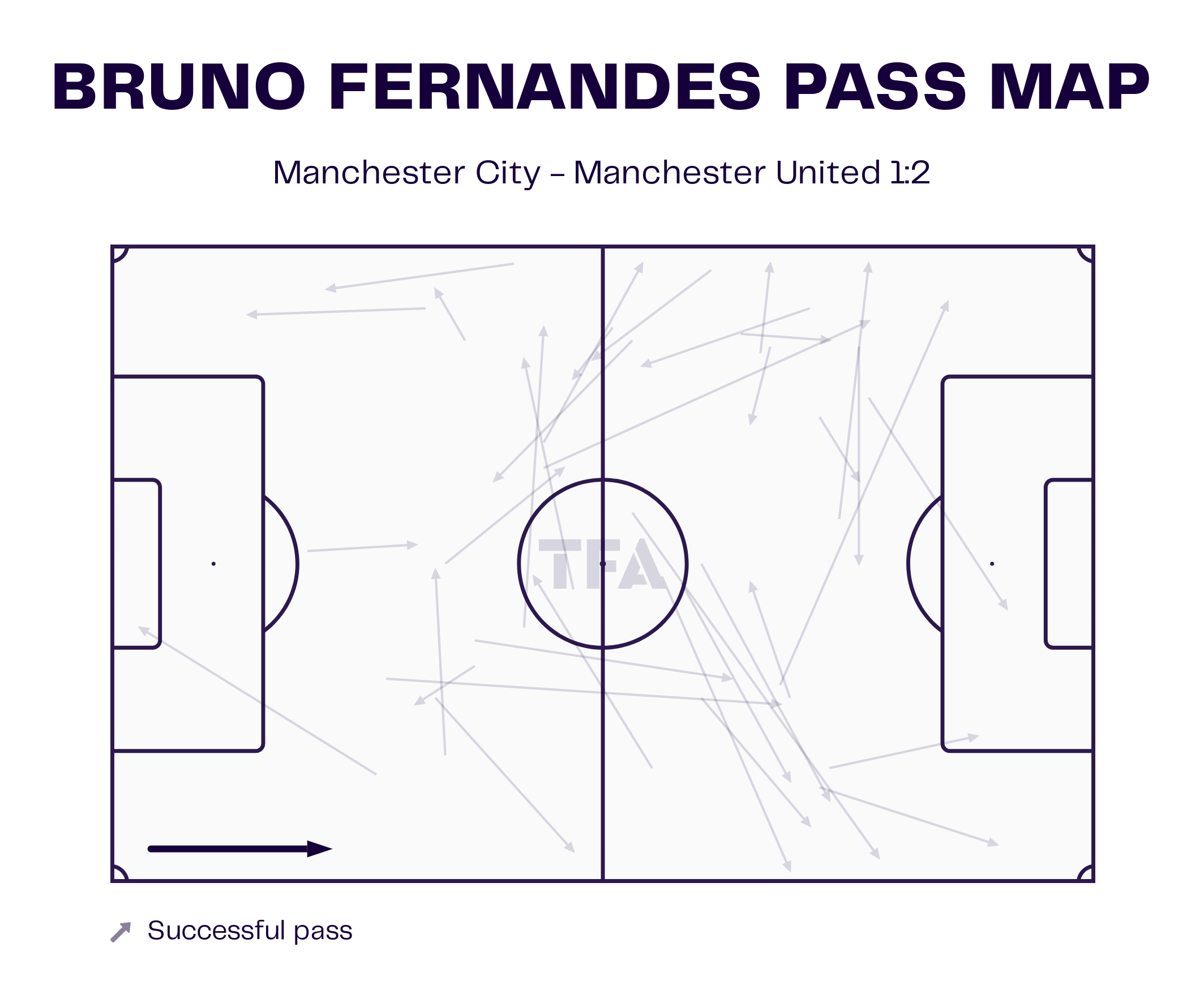
- Exceptional Passing Range and Vision: Fernandes’ ability to pick out passes, both short and long, is crucial in unlocking defences. His vision and passing accuracy enable him to create scoring opportunities for his teammates, even from deeper areas. This ability to dictate the tempo and direction of attacks is essential in Amorim’s system, which relies on patient build-up play and exploiting spaces in the opposition’s defence.
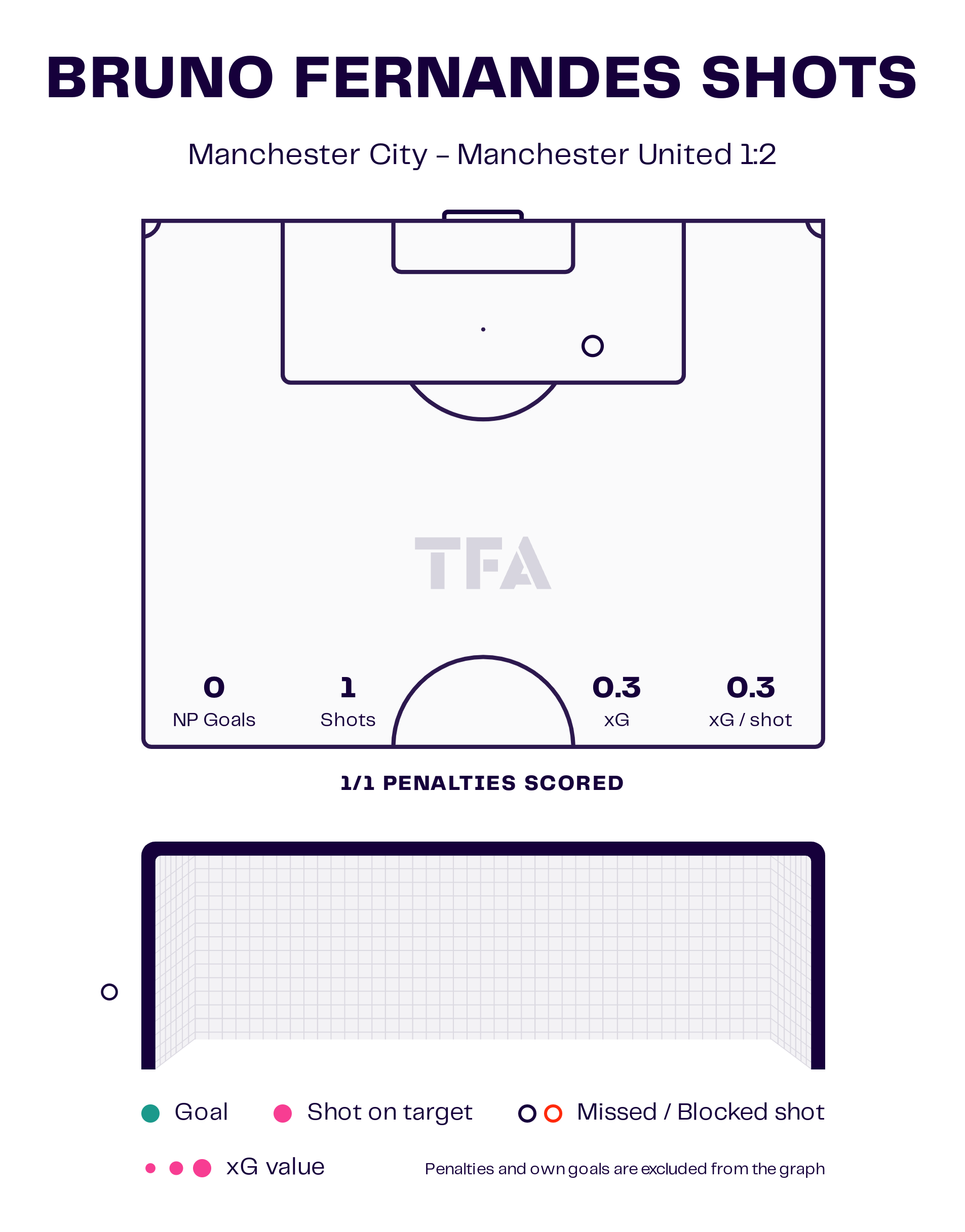
- Creative Spark and Goal Threat: While his primary focus has shifted towards dictating play from deep, Fernandes hasn’t lost his knack for creating scoring opportunities and finding the back of the net. He remains a threat from set pieces and possesses the ability to arrive late in the box and score from midfield. This goal threat, even from a deeper position, adds another dimension to United’s attack and keeps opposing defences on their toes.
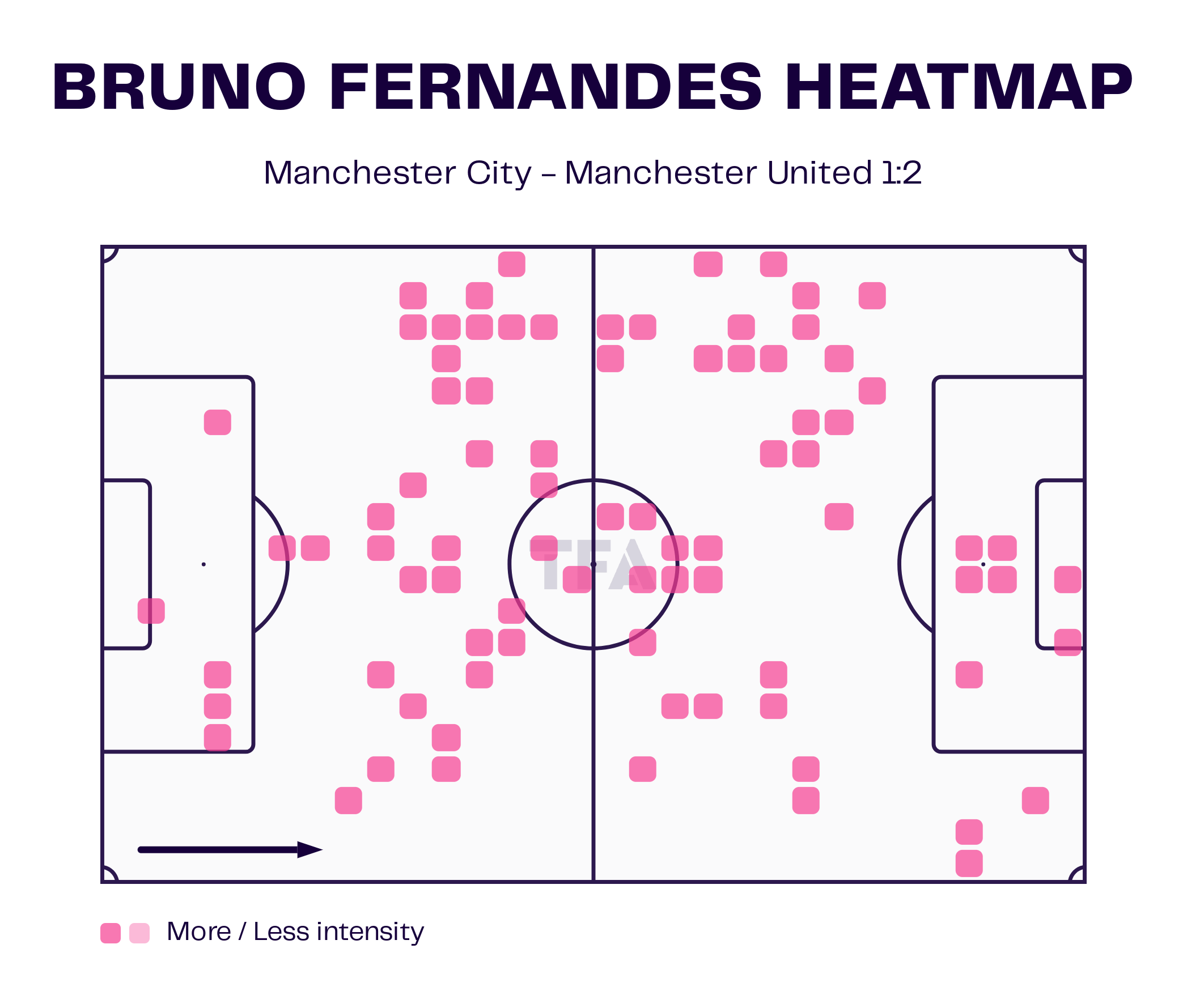
- Work Rate and Tactical Intelligence: Adapting to a deeper role requires a high level of work rate and tactical discipline, and Fernandes has demonstrated a willingness to embrace these demands. He covers ground effectively, tracks back to support his defenders, and maintains positional discipline. His understanding of Amorim’s tactics and his ability to interpret and execute the manager’s instructions are crucial to the team’s overall success.
- Leadership Qualities and Mental Fortitude: Fernandes is a natural leader on the pitch. His vocal presence, unwavering commitment, and ability to motivate his teammates are invaluable assets, especially in high-pressure situations. He leads by example, sets high standards, and demands the same level of intensity and focus from his teammates. His mental strength and resilience are crucial in navigating the challenges of a demanding season and the scrutiny that comes with playing for a club like Manchester United.
Conclusion: An Evolving Legacy and Continued Impact
Fernandes’ evolution from a free-scoring attacking midfielder to a deep-lying playmaker exemplifies his adaptability and commitment to the team’s success. While his goal and assist numbers might have dipped as his role has changed, his impact on the game remains undeniable. He is the conductor of United’s midfield, dictating tempo, orchestrating attacks, and providing a creative spark from deeper areas. His transition showcases his ability to adapt his game, learn new skills, and thrive in different tactical systems.
His deeper positioning, involvement in the build-up play, and defensive contributions highlight the tactical demands placed upon him. As he continues to refine his game and adapt to Amorim’s system, Fernandes’ influence on Manchester United’s performances will only grow stronger.
Visuals via TFA data viz engine


