

The hallowed turf of Anfield, steeped in history and echoing with the roar of passionate fans, has often been a graveyard for visiting teams, a place where dreams are shattered and confidence crushed. Yet, on this particular Sunday afternoon, it was the stage for a youthful Manchester United side to showcase their talent, their resilience, and their fearless ambition. Despite entering the match as underdogs, languishing in the lower half of the Premier League table, these young Red Devils refused to be intimidated by the occasion or the formidable opposition. They rose to the challenge, playing with a verve and swagger that belied their tender years, earning a hard-fought draw against their fierce rivals Liverpool.
This wasn’t just a point salvaged; it was a statement of intent, a declaration that Manchester United’s future, entrusted to a new generation of talented youngsters, was bright and brimming with potential.
Alejandro Garnacho: The Argentine Prodigy Who Electrified Anfield
The name on everyone’s lips after the match was Alejandro Garnacho. He played with a maturity and composure that belied his inexperience, tormenting the Liverpool defence with his pace, trickery, and directness. Garnacho was a constant threat down the left flank, his every touch electrifying the Manchester United faithful and sending shivers down the spines of the Liverpool backline.

Garnacho wasn’t just a fleeting spark; he was the catalyst for Manchester United’s resurgence, the architect of their comeback. His intelligent movement, coupled with his ability to beat defenders with ease, created havoc in the Liverpool defence. It was Garnacho who created the winning goal.
But Garnacho’s impact extended beyond his assist. He was involved in almost every dangerous Manchester United attack, his runs drawing defenders out of position and creating space for his teammates. His performance, a whirlwind of energy and excitement, was a testament to his talent and his fearlessness.
Amad Diallo: The Super Kid Who Sealed a Historic Result
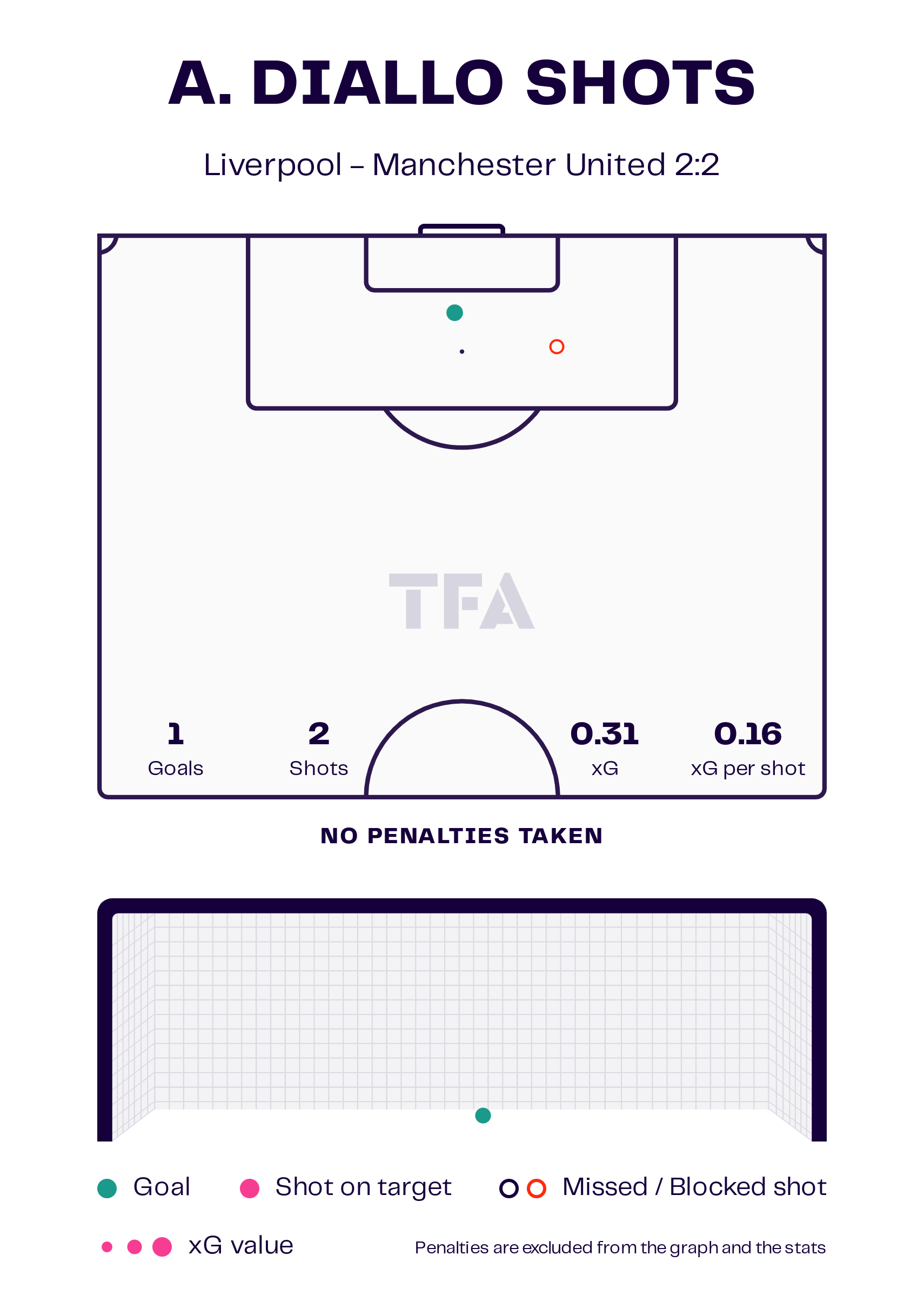
Another young player who made a significant impact was Amad Diallo. The 22-year-old Ivorian winger injected pace and directness into the Manchester United attack. His goal, a composed finish after a clever run into the penalty area, showcased his potential to be a game-changer.
Diallo’s goal wasn’t just about individual brilliance; it was a testament to Manchester United’s tactical flexibility and their ability to change the game with their substitutions. Diallo provided a different dimension in attack, his pace and directness stretching the Liverpool defence and creating space for his teammates.
The Collective Effort: A Testament to Youthful Fearlessness
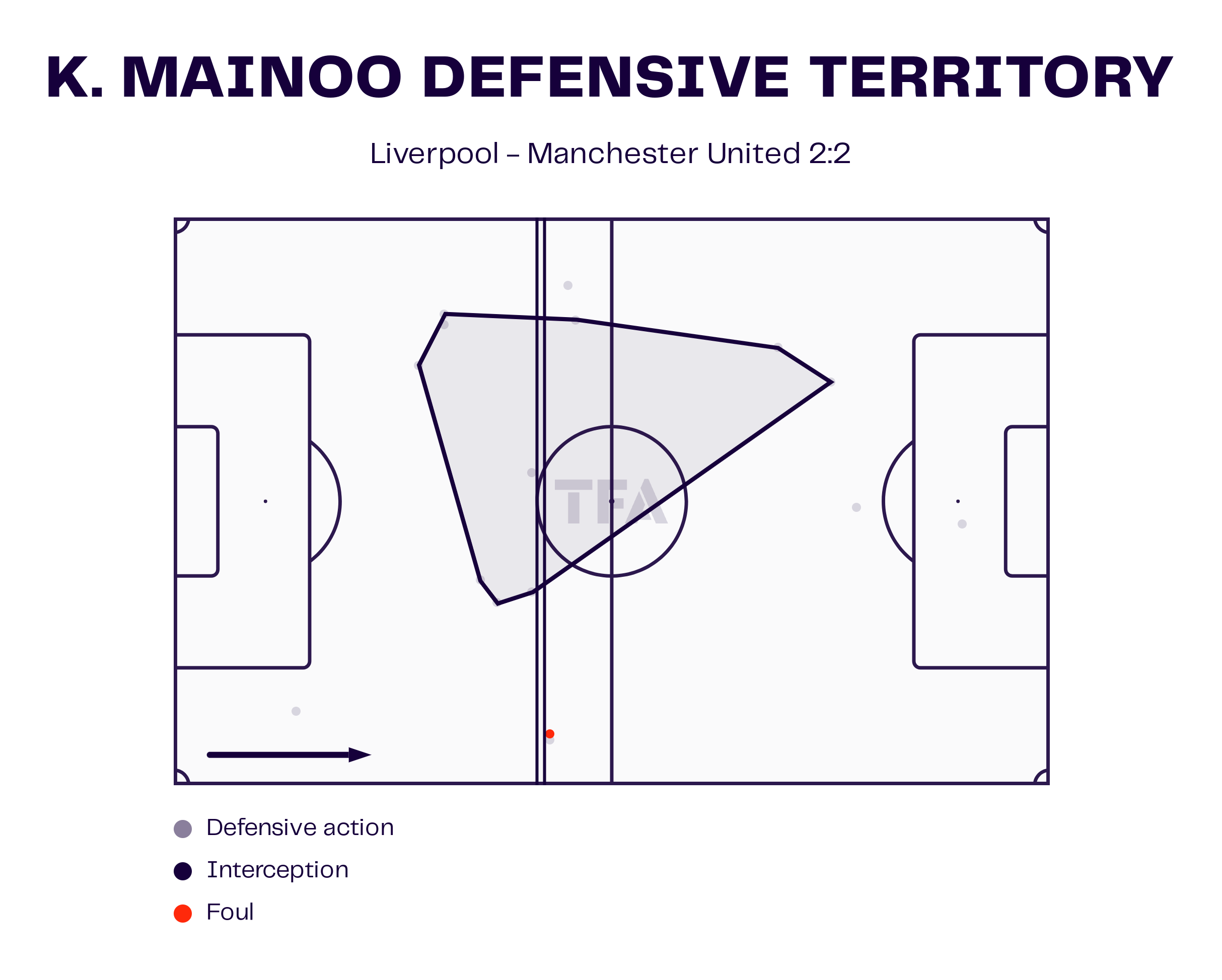
While Garnacho and Diallo stole the headlines, the performance of Manchester United’s young players was a collective effort. Throughout the team, there was a sense of fearlessness, and a willingness to take risks and express themselves. Players like Kobbie Mainoo, who controlled the midfield with his composure and passing range, and Leny Yoro, who provided energy and defensive solidity, all played their part in securing a memorable result.
This youthful exuberance, combined with the tactical nous of manager Ruben Amorim, was the key to Manchester United’s success. Amorim, known for his faith in young players and his ability to develop talent, had instilled in his team a belief that they could compete with anyone, regardless of age or experience.
The Future is Bright: A Glimpse of Manchester United’s Potential
The draw at Anfield was more than just a point; it was a glimpse into the future of Manchester United, a future where young, hungry players are at the heart of the team, playing with a freedom and a fearlessness that is both exciting and inspiring.
The performance of Manchester United’s young players was a testament to the quality of the club’s academy and the vision of their manager. It was a sign that the club was on the right track, that they were building a team for the future, a team capable of challenging for the biggest honours.
Visuals via TFA data viz engine


