
For years, Manchester has been painted blue. Manchester City’s dominance under Pep Guardiola has become a defining characteristic of the Premier League, their relentless pursuit of trophies leaving their rivals trailing in their wake. However, the recent Manchester Derby, a 2-1 victory for Manchester United, has hinted at a possible power shift in the city. Could this be a sign of a changing tide in Manchester?
The match itself was a microcosm of a broader trend. City, despite dominating possession and creating chances, lacked their usual ruthlessness. They appeared vulnerable at the back, susceptible to United’s counter-attacks and direct play. Their eight defeats in eleven games represent a stark decline for a team accustomed to sweeping aside opponents. This dip in form coincides with the emergence of a more resilient and tactically astute Manchester United under Ruben Amorim.
The Rise of Ruben Amorim
Amorim’s arrival at Old Trafford has injected a newfound sense of belief and tactical discipline into the United squad. His pragmatic approach, prioritizing defensive solidity and exploiting opponents’ weaknesses, has proven effective against even the most formidable opponents, like Manchester City. The Portuguese manager’s influence is evident in several key areas:
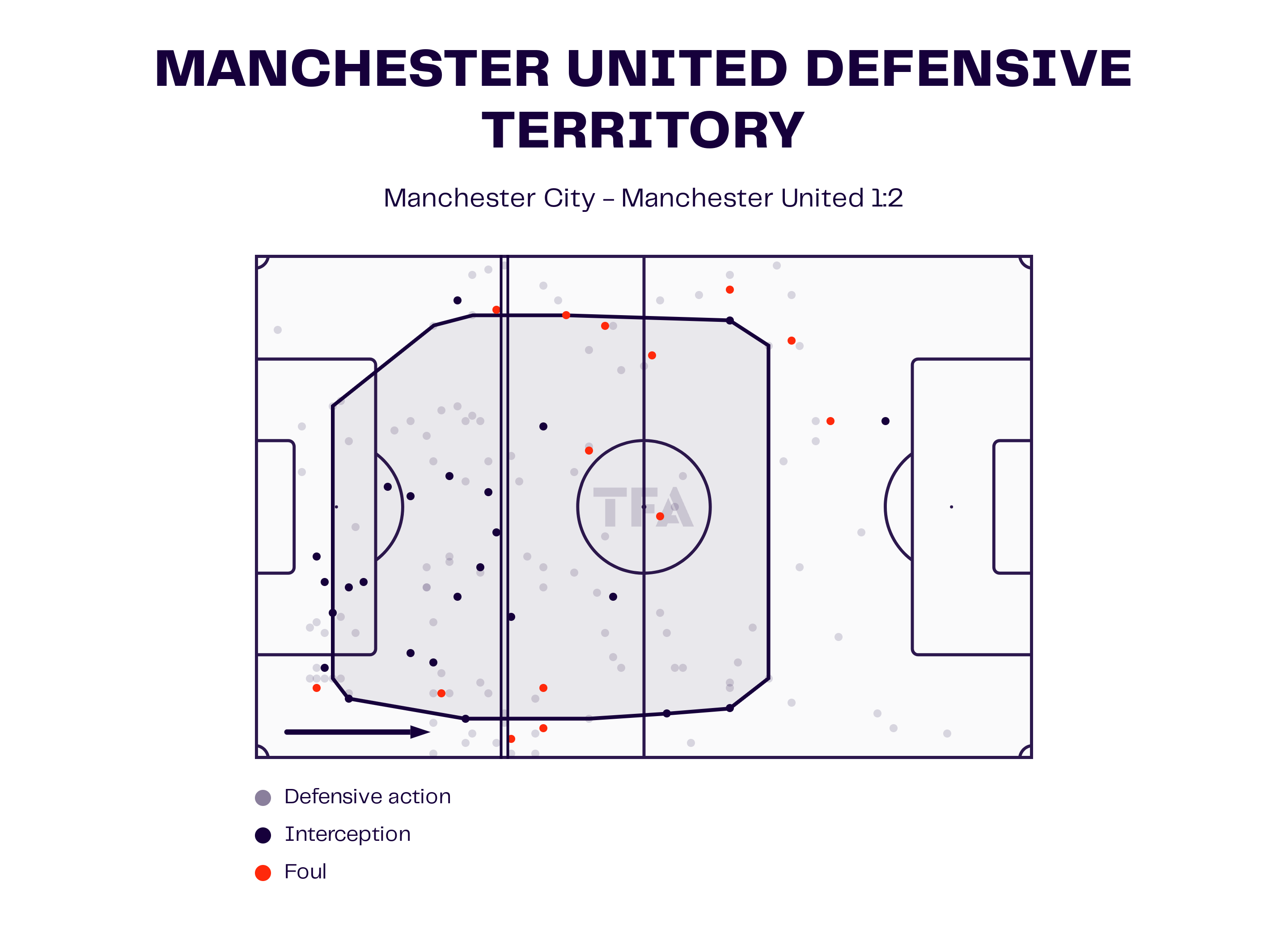
- Defensive Resurgence: United’s defensive frailties have been well-documented in recent years. However, under Amorim, there’s a renewed emphasis on defensive structure and organization. The back three, a blend of experience and athleticism, has shown a greater capacity to withstand pressure and limit opponents’ scoring opportunities. The use of wing-backs, providing defensive cover while offering attacking outlets, has further strengthened United’s defensive framework.
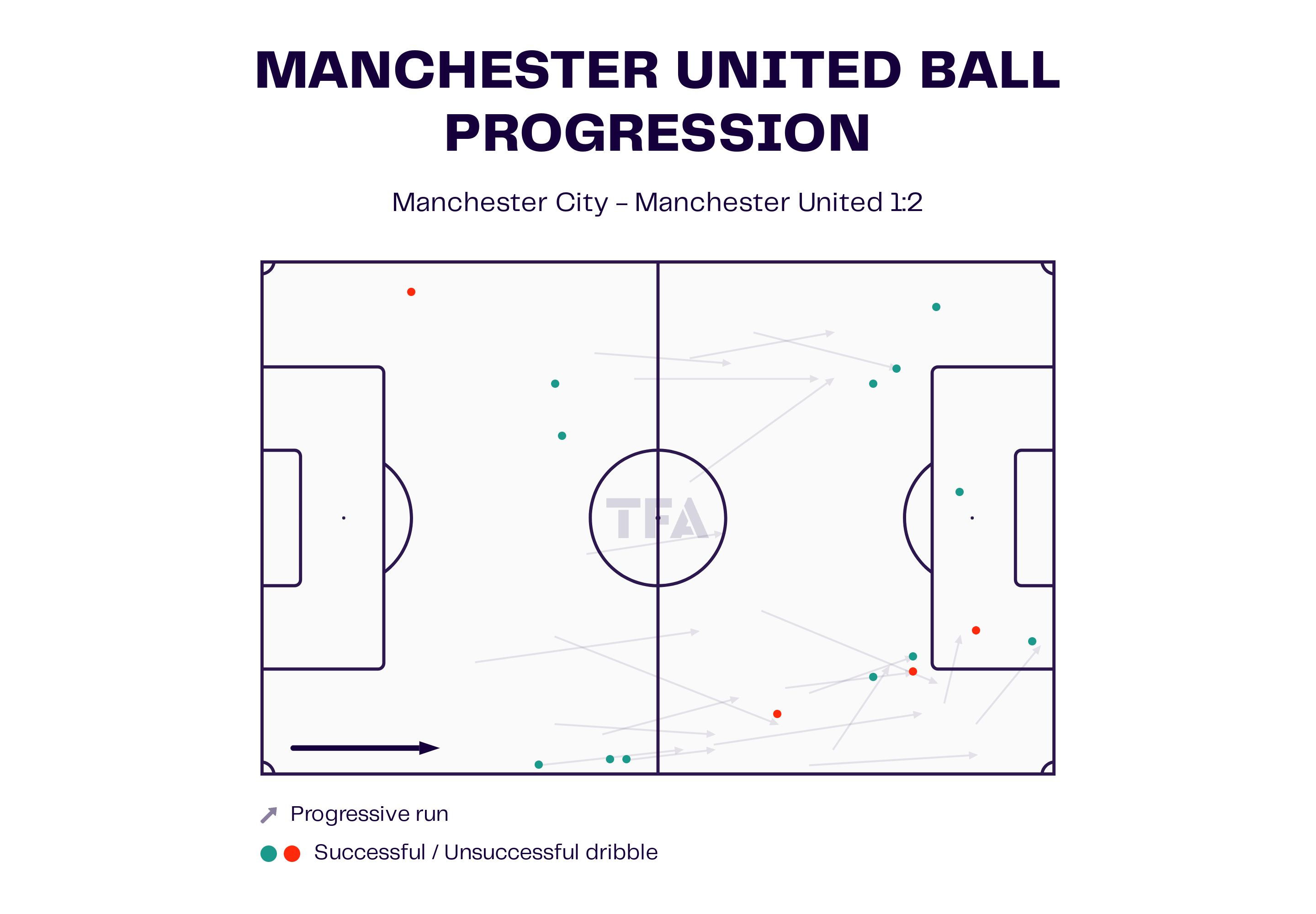
- Tactical Flexibility: Amorim has demonstrated a willingness to adapt his tactics based on the opponent. Against City, he opted for a more conservative approach, absorbing pressure and hitting on the counter. This tactical flexibility, coupled with his ability to read the game and make decisive substitutions, has been instrumental in United’s recent successes.
- Mental Fortitude: Perhaps most importantly, Amorim has instilled a winning mentality in his players. United, often criticized for lacking the mental strength to compete at the highest level, have shown greater resilience and determination under Amorim, epitomized by their comeback victory against City. This newfound mental toughness could be crucial in their quest to challenge for major honours.
A Shift in Momentum?
While it’s premature to declare a definitive power shift, the recent Derby result and the broader trends suggest a potential change in the balance of power in Manchester. Several factors contribute to this narrative:
- City’s Vulnerability: City’s recent struggles are undeniable. Their defensive frailties, coupled with a slight dip in attacking potency, have given opponents a glimmer of hope. The departure of key players and the integration of new signings might be contributing factors, but the dip in form is concerning for a team that has set such high standards.

- United’s Growing Confidence: United’s performances under Amorim have been characterized by increasing confidence and tactical discipline. Their ability to frustrate City, exploit their weaknesses, and snatch a late victory suggests a team on an upward trajectory. The blend of youth and experience, coupled with a clear tactical identity, makes them a genuine threat to City’s dominance.
- The Psychological Impact: The Derby victory will undoubtedly have a significant psychological impact on both teams. For City, it’s a stark reminder of their vulnerability, a wake-up call that their dominance is not a given. For United, it’s a massive confidence boost, a sign that they can compete with and beat the best. This psychological edge could prove crucial in the long run.
The Road Ahead
While the Derby victory has provided a tantalizing glimpse of a potential power shift, the road ahead is long and arduous. Several factors will determine whether this shift in momentum translates into a sustained challenge to City’s hegemony:
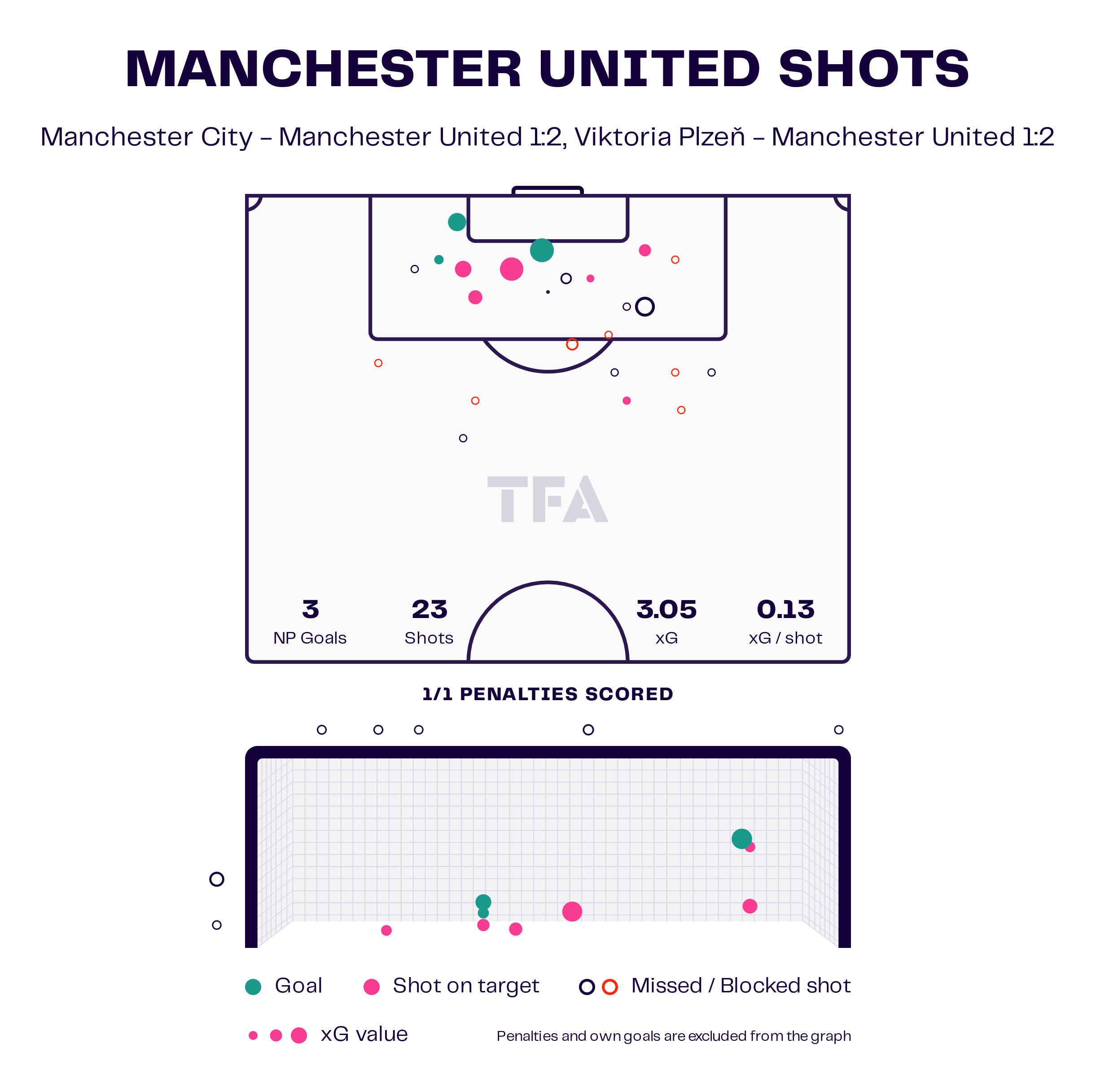
- Consistency: The key for United will be to maintain their newfound consistency. They’ve shown glimpses of their potential, but stringing together a series of positive results against top opposition will be crucial in proving their title credentials.
- Squad Depth: City’s squad depth remains a significant advantage. Their ability to rotate and maintain a high level of performance throughout the season is a testament to their resources. United will need to strengthen their squad depth if they are to compete on multiple fronts and sustain a title challenge.
- Managerial Prowess: The tactical battle between Guardiola and Amorim will be a fascinating subplot in the Manchester power struggle. Both managers are renowned for their tactical acumen and ability to adapt to different situations. The outcome of this tactical duel could be decisive in shaping the future of Manchester football.
The recent Manchester Derby has injected a much-needed dose of excitement and intrigue into the Premier League title race. The result, while significant, is just one piece of a larger puzzle. The true test for Manchester United will be to maintain their upward trajectory and challenge City throughout a gruelling season. Only then can we truly declare a changing tide in Manchester? The blue wave might be receding, but it’s far from extinguished.
Visuals via TFA data viz engine


