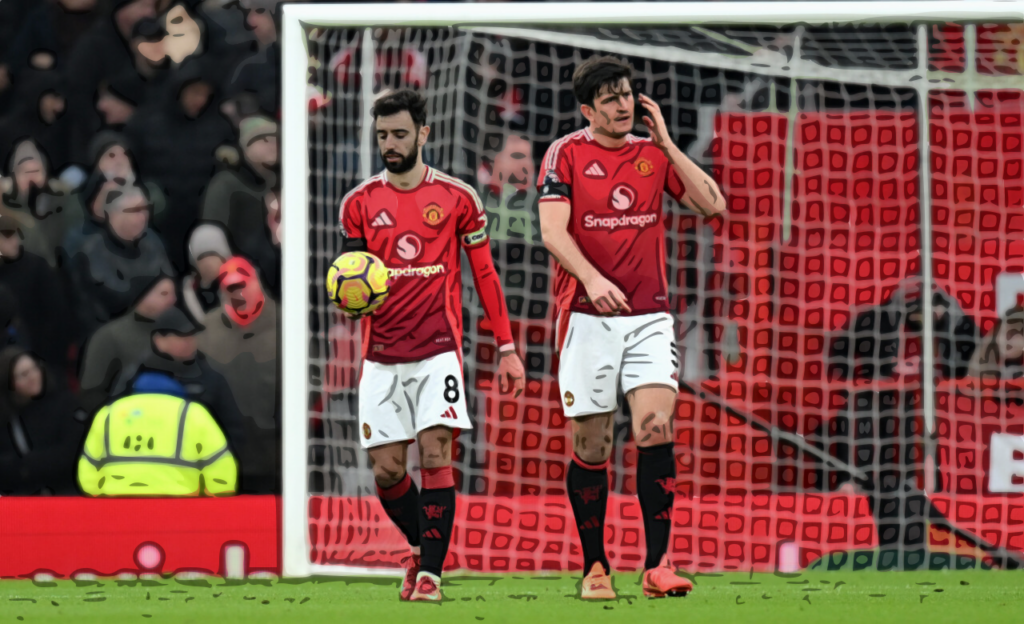
Manchester United’s recent 1-0 defeat to Tottenham Hotspur marks their 12th Premier League defeat of the season, a stark indicator of the deep-seated issues plaguing the club. This loss, in a match between 15th and 14th-placed teams, underscores just how far the Red Devils have fallen from their former glory. This article delves into the myriad factors contributing to Manchester United’s dismal season, dissecting tactical shortcomings, player performances, managerial challenges, and the overall atmosphere surrounding the club.
A Season of Disappointment: Contextualizing the 12th Defeat
The defeat against Tottenham is not an isolated incident but rather a symptom of a larger malaise affecting Manchester United. The match itself, described as a clash between two of the season’s biggest underachievers, highlights the extent of the problems. To fully grasp the significance of this 12th defeat, it’s crucial to consider:
- League Position: Dropping to 15th place in the Premier League table is an unacceptable position for a club of Manchester United’s stature.
- Overall Performance: The team’s inconsistent performances, marked by defensive vulnerabilities and a lack of attacking cohesion, have become a recurring theme throughout the season.
- Managerial Pressure: The poor results have inevitably increased the pressure on the manager, with questions being raised about his tactics, team selection, and ability to turn things around.
Tactical Deficiencies: A Breakdown of the Issues
One of the primary reasons for Manchester United’s struggles lies in their tactical deficiencies. The team has often appeared disjointed and lacking a clear game plan, leading to predictable patterns of play and a failure to exploit opposition weaknesses. Key tactical issues include:
- Defensive Instability: The defence has been prone to errors and a lack of coordination, conceding goals due to individual mistakes and a failure to track runners.
- Midfield struggles: The midfield has struggled to control games, often losing the battle for possession and failing to provide adequate support to both the defence and attack.
- Attacking Inefficiency: Despite possessing talented attacking players, Manchester United has struggled to create clear-cut chances and convert them into goals. The static United defence hoping for an offside call during Tottenham’s goal is a case in point.
Individual Underperformance: Key Players Failing to Deliver
While tactical issues play a significant role, individual underperformance among key players has further compounded Manchester United’s problems. Many players have failed to live up to expectations, contributing to the team’s overall struggles. Notable examples include:
- Defensive Lapses: Individual errors in defence have directly led to goals being conceded.
- Midfield Ineffectiveness: Key midfielders have failed to impose themselves on games, lacking the creativity and drive to dictate play.
- Forward Missteps: Forwards have struggled to find the net consistently, with missed chances and poor decision-making in crucial moments.
- Bruno Fernandes’ Frustration: Bruno Fernandes’ visible frustration during the game against Tottenham, including throwing his arms up in the air, highlights the growing discontent within the team.
Managerial Challenges: Questionable Decisions and Lack of Impact
The manager’s role in Manchester United’s struggles cannot be overlooked. Questions have been raised about his tactical decisions, team selection, and ability to motivate the players. Key managerial challenges include:
- Tactical Rigidity: A perceived lack of tactical flexibility has made it difficult for the team to adapt to different opponents and game situations.
- Inconsistent Team Selection: Frequent changes to the starting lineup have disrupted the team’s rhythm and prevented players from building cohesive partnerships.
- Failure to Motivate: The manager has struggled to instil a sense of belief and determination within the squad, leading to a lack of intensity and fight on the pitch.
A Glimmer of Hope? Analyzing Potential Positives
Despite the overwhelming negativity, there may be a few glimmers of hope for Manchester United. Identifying and building on these positives could be crucial for turning things around:
- Youth Development: Focusing on nurturing young talents from the academy could provide a long-term solution to the team’s problems.
- Strategic Signings: Bringing in players who fit the manager’s tactical system and possess the right character could strengthen the squad.
- Improved Team Spirit: Fostering a sense of unity and camaraderie within the team could lead to improved performances on the pitch.
The Road Ahead: Potential Solutions and Future Prospects
Addressing Manchester United’s deep-seated issues will require a comprehensive and multi-faceted approach. Potential solutions include:
- Tactical Overhaul: Implementing a clear and effective tactical system that suits the players’ strengths.
- Strengthening the Squad: Bringing in quality players in key positions to improve the overall balance and depth of the squad.
- Improving Team Chemistry: Fostering a positive and supportive environment within the team to boost morale and performance.
- Fan Engagement: Addressing the concerns of the fans and working towards a more transparent and collaborative relationship.
Conclusion
Manchester United’s 12th Premier League defeat of the season is a stark reminder of the challenges facing the club. Tactical deficiencies, individual underperformance, managerial challenges, and off-field issues have all contributed to the team’s dismal form. While there may be a few glimmers of hope, a comprehensive and multi-faceted approach is needed to address the deep-seated problems and restore Manchester United to its former glory. The road ahead will be long and arduous, but with the right leadership, strategy, and commitment, the Red Devils can once again become a force to be reckoned with in English and European football.


