

The Manchester Derby is often billed as a clash of titans, a spectacle of attacking football where individual brilliance takes centre stage. However, the December 2024 edition saw a different narrative unfold, one orchestrated by the tactical acumen of Manchester United manager, Ruben Amorim. His Manchester United side, often criticized for their inconsistency, delivered a disciplined and tactically astute performance, stunning the reigning champions Manchester City with a 2-1 victory. This wasn’t just a victory; it was a tactical masterclass, a testament to Amorim’s ability to outwit one of the most celebrated managers in world football.
This article delves into the tactical nuances of Amorim’s approach, highlighting the key decisions that led to Manchester United’s triumph in the Manchester Derby.
Pre-Match Preparation: Laying the Foundation for Success
Amorim’s tactical blueprint for the Derby began long before the first whistle. Recognizing Manchester City’s attacking potency, he opted for a more conservative approach, prioritizing defensive solidity and tactical discipline. This was evident in his team selection, with a focus on players known for their defensive work rate and tactical awareness.
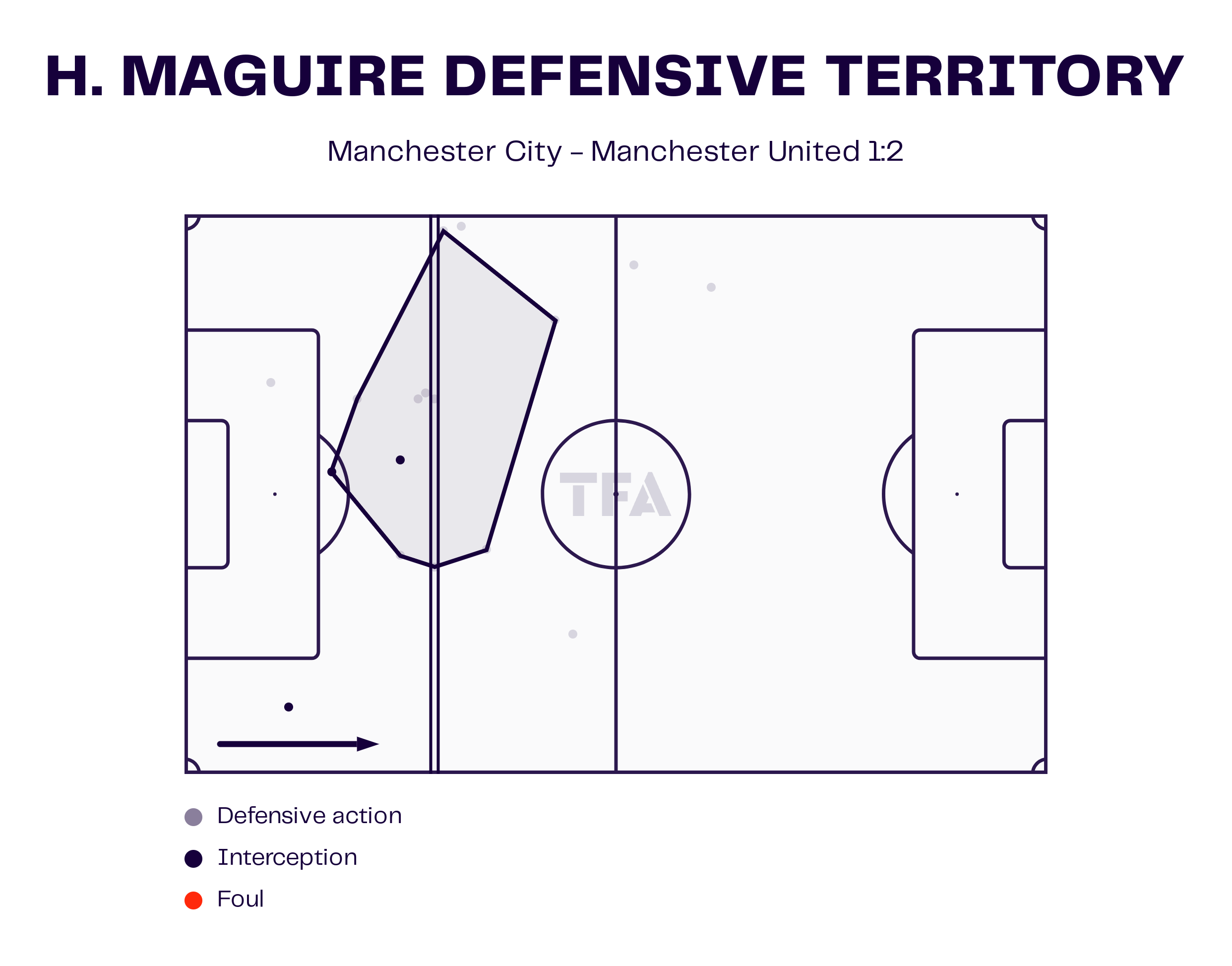
- Reinforcing the Defence: Amorim made three changes to the team that had lost to Nottingham Forest in the previous match. Notably, he brought Harry Maguire in defence, emphasizing the need for stability and composure in dealing with City’s relentless attacks. The back three comprised Maguire, De Ligt, and Martinez, a blend of experience and athleticism tasked with containing City’s fluid attacking trio.
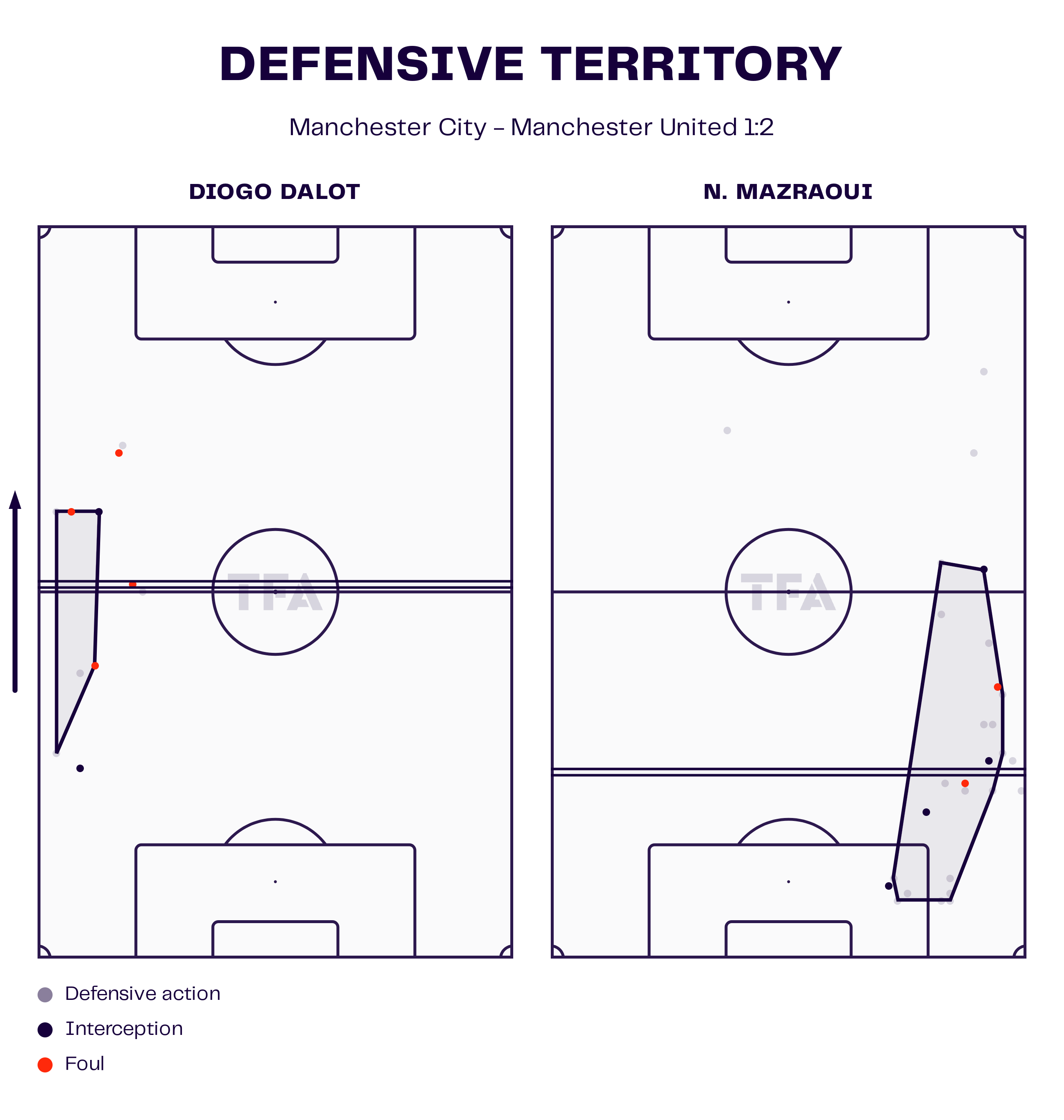
- Defensive Solidity in Wide Areas: Amorim opted for a more defensive approach in the wide areas, deploying Dalot and Mazraoui as wing-backs. These two, traditionally considered full-backs, were tasked with providing defensive cover against City’s marauding wingers while also offering an outlet on the counter-attack.
- Controlling the Midfield: Bruno Fernandes, known for his creativity, was deployed in a deeper midfield role, highlighting Amorim’s intent to control the midfield battle and disrupt City’s passing rhythm. The selection of Mason Mount alongside him added dynamism and energy to the midfield, further bolstering United’s defensive structure.
Weathering the Early Storm: Disciplined Defending in the First Half
Manchester City, as expected, dominated possession in the early stages. Amorim’s game plan, however, was designed to absorb pressure and exploit City’s vulnerabilities on the counter-attack. United’s defensive shape, compact and well-organized, frustrated City’s attempts to break through.
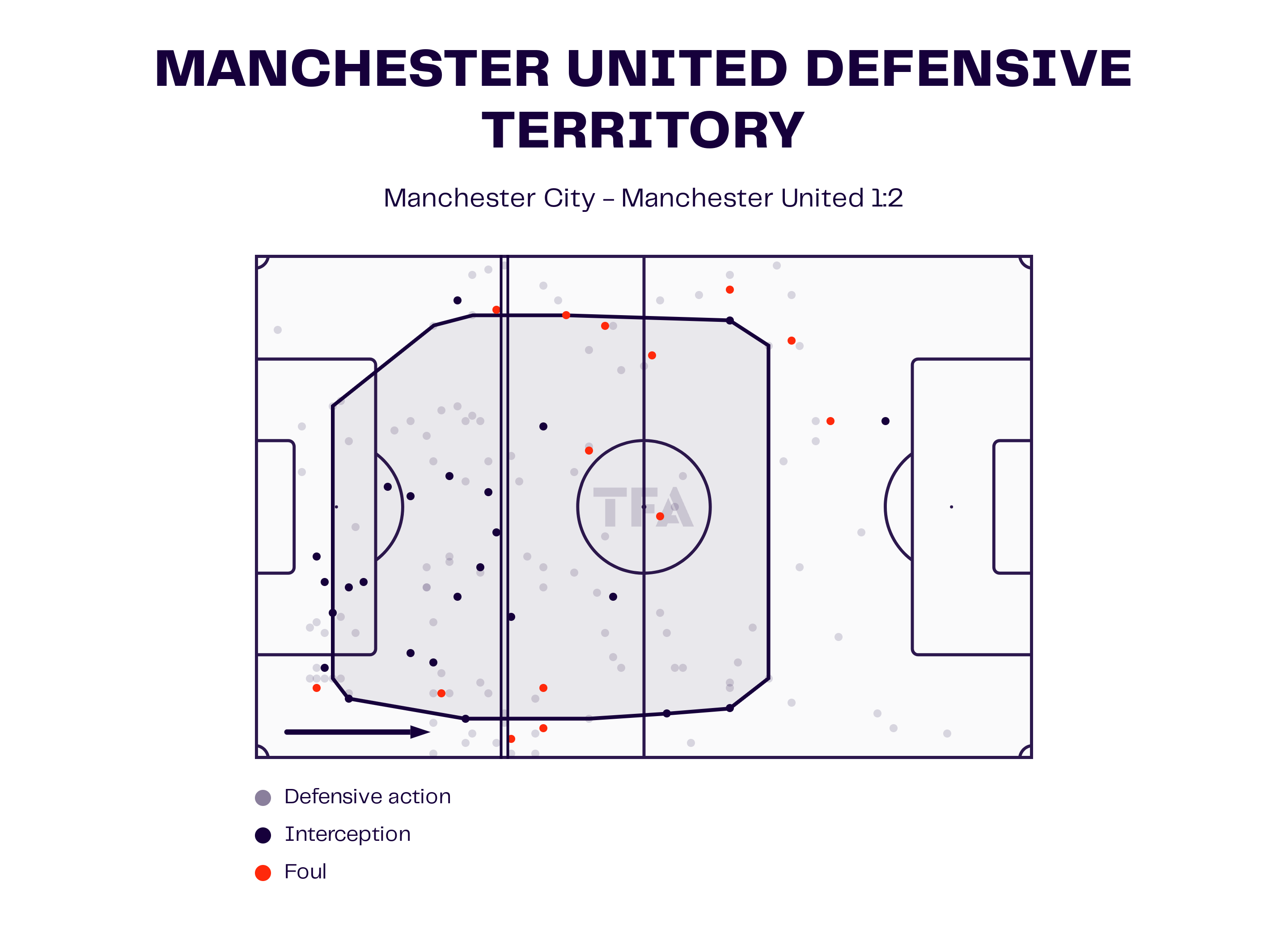
- Compact Defensive Block: United defended in a narrow block, denying City space in central areas. The back three remained disciplined, maintaining their shape and forcing City’s attacks wide. The wing-backs diligently tracked City’s wingers, limiting their impact. This disciplined approach frustrated City’s attempts to play through the middle, forcing them into wide areas where United were well-equipped to defend.
- Pressing Triggers: While primarily focused on defending deep, United pressed in bursts, targeting City’s defenders and forcing them into errors. These pressing triggers were carefully selected, often initiated when City attempted to build play from the back or when their passing became predictable. This disrupted City’s rhythm and forced them into long balls, which United’s defenders dealt with effectively.
Turning the Tide: Capitalizing on City’s Errors
Despite their dominance, City lacked their usual cutting edge in the final third. Amorim’s tactical setup forced them into uncomfortable areas and limited their clear-cut chances. The tide began to turn when United capitalized on a City error, earning a penalty that Bruno Fernandes confidently dispatched.
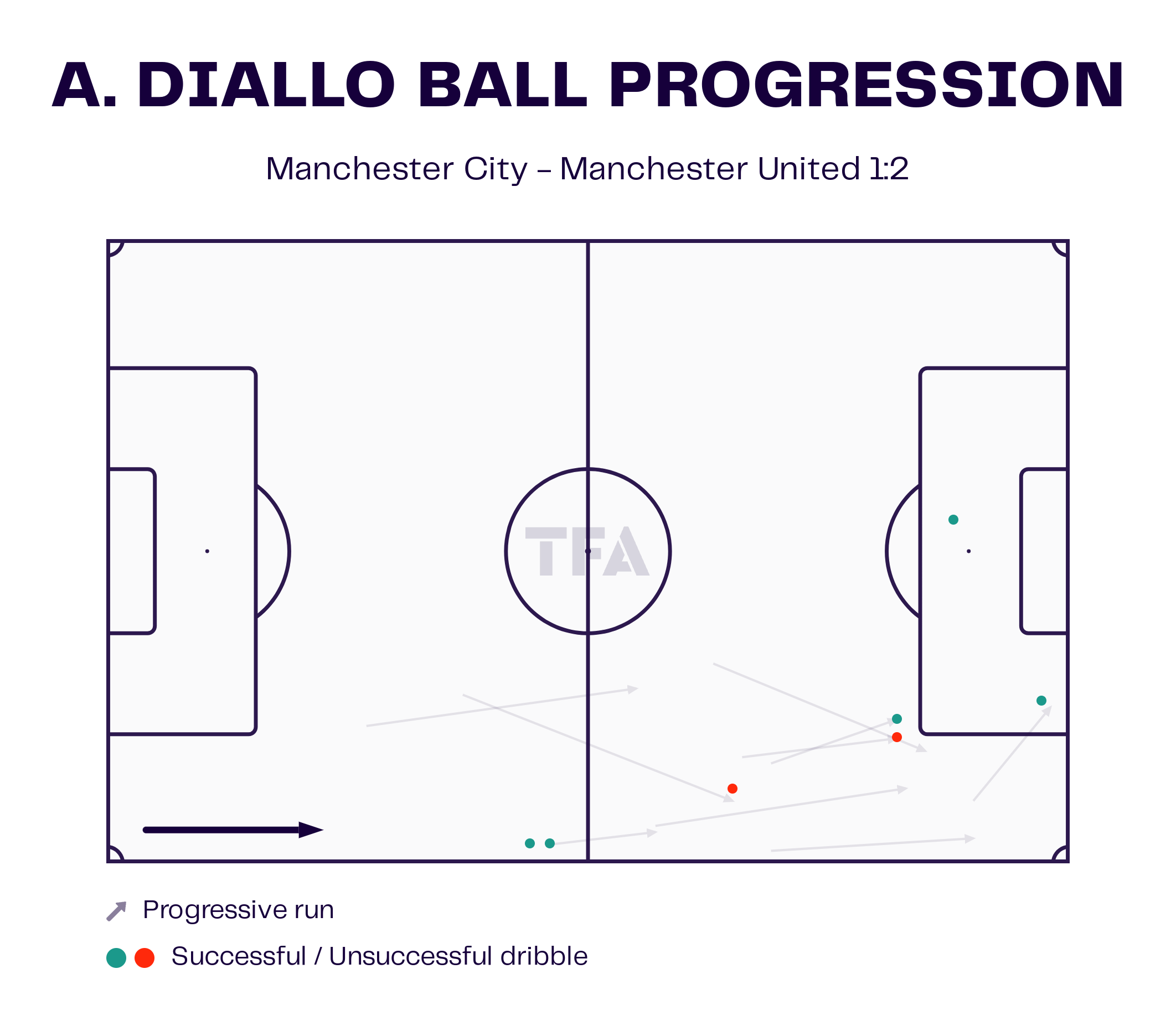
- Exploiting City’s High Line: Amorim had clearly instructed his players to exploit the space behind City’s high defensive line. The penalty incident exemplified this, as Diallo’s direct run into the box forced a desperate challenge from a City defender. This tactic, aimed at catching City’s defence off guard, was a key element in United’s comeback.
- Diallo – The Game-Changer: Diallo’s pace and directness provided a different dimension to United’s attack, stretching City’s defence and creating space for his teammates. His winning goal, a brilliant solo effort, was the culmination of Amorim’s tactical plan coming to fruition.
The Winning Goal: A Testament to Tactical Acumen
Diallo’s winning goal wasn’t just a moment of individual brilliance; it was a product of Amorim’s tactical setup.
- Space Exploitation: City, pushing forward in search of a winner, left gaps in their defence. Amorim’s instructions to exploit these spaces were evident in Diallo’s run, as he found himself with ample room to manoeuvre and beat the onrushing Ederson.
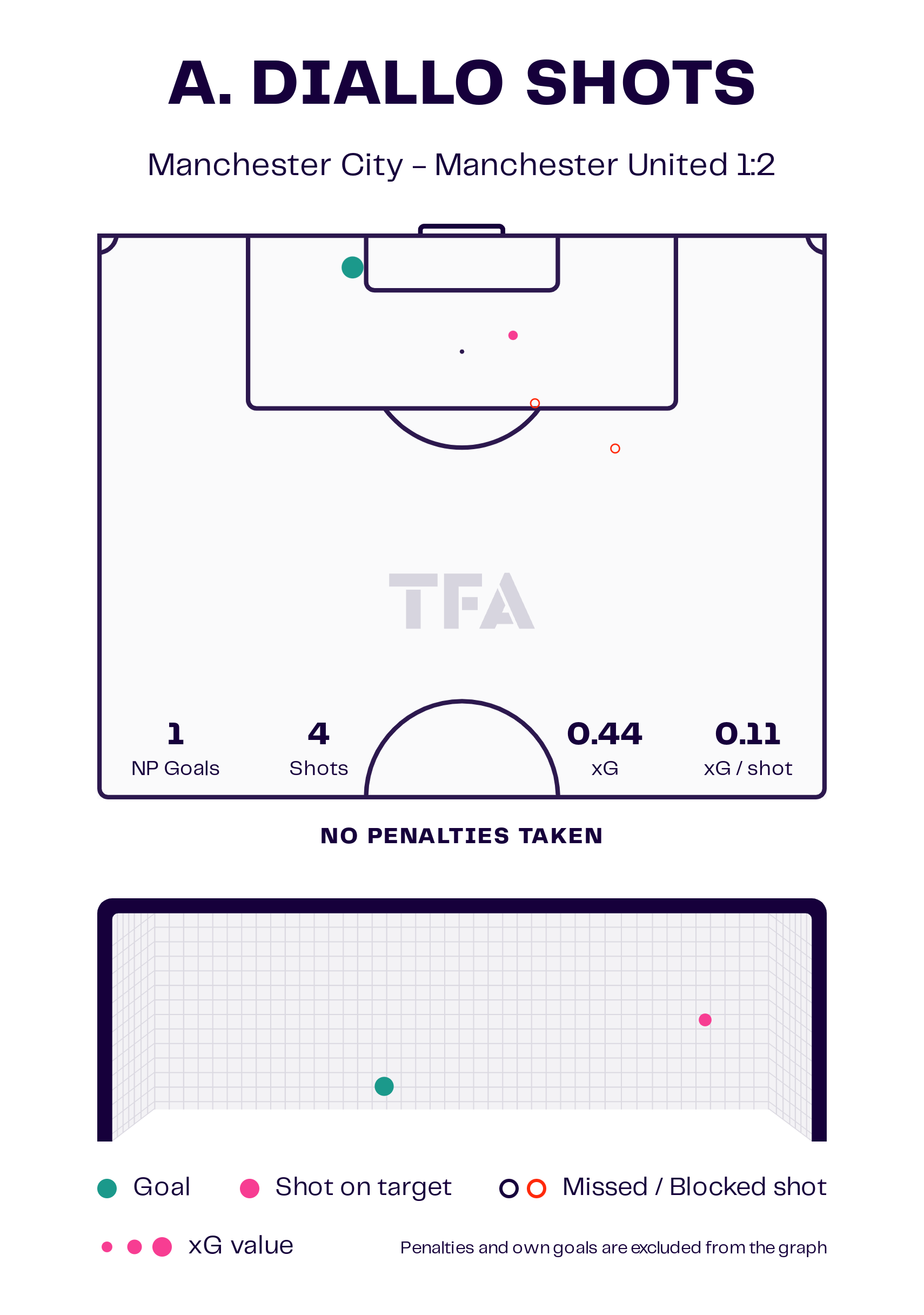
- Diallo’s Attributes: Amorim’s decision to introduce Diallo was based on a keen understanding of his player’s attributes. Diallo’s pace and composure in front of goal made him the ideal player to exploit the space behind City’s high line. His winning goal was a testament to Amorim’s ability to identify and utilize his players’ strengths to maximum effect.
Conclusion: A Tactical Triumph
Ruben Amorim victory over Manchester City was a triumph of tactical planning and execution. He devised a game plan that negated City’s strengths, exploited their weaknesses, and capitalized on their errors. His substitutions, particularly the introduction of Amad Diallo, proved decisive, adding a new dimension to United’s attack and ultimately leading to the winning goal.
This victory was not just a result; it was a statement. A statement that Ruben Amorim is a manager of the highest calibre, capable of outwitting the very best. His tactical masterclass in the Manchester Derby will be remembered as a defining moment in his managerial career, a sign of things to come from a manager who is rapidly establishing himself as one of the brightest minds in the game.
Visuals via TFA data viz engine


