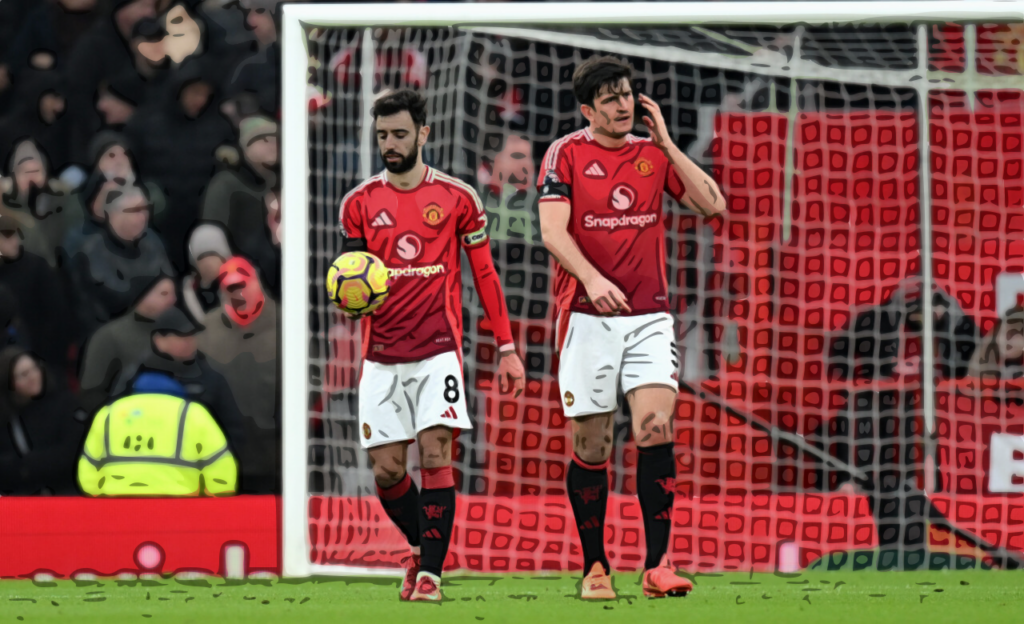
Bruno Fernandes’s passion and commitment have always been evident on the pitch, but recently, a different narrative has begun to emerge. The Manchester United captain’s body language in the game against Tottenham Hotspur paints a picture of growing frustration and dissatisfaction. This article delves into Fernandes’s on-field demeanour, dissecting his interactions, gestures, and overall attitude to understand the underlying causes of his apparent discontent.
Visible Signs of Frustration: A Case Study from the Tottenham Match
Throughout the match against Tottenham, Fernandes’s frustration was palpable. Several instances highlighted his growing dissatisfaction:
- Gesturing and Exasperation: After a play where he felt a teammate made the wrong decision, Fernandes was seen “throwing his arms up in the air and gesticulating.” This open display of annoyance suggests a disconnect between his expectations and the actions of those around him.
- Demanding the Ball: On multiple occasions, Fernandes was seen imploring teammates to pass to him. This urgency, while indicative of his desire to influence the game, also hinted at a lack of trust in his teammates’ decision-making.
- Unhappy Demeanor: Even without specific incidents, Fernandes’s general demeanour appeared less positive than usual. His body language suggested a growing weariness with the team’s performance and frustration with the recurring issues plaguing their play.
Isolating the Causes: What’s Behind Bruno’s Discontent?
Several factors could be contributing to Fernandes’s visible frustration:
- Lack of Cohesion: The team’s overall lack of cohesion and understanding in their play [1].
- Defensive Frailties: Concerns with the team’s defensive stability, witnessing firsthand how defensive lapses can undermine their efforts.
- Inability to Control the Game: Fernandes may feel that he cannot fully dictate the tempo and flow of the game due to the team’s overall struggles.
- High Expectations: As captain and a key player, Fernandes holds himself to high standards and expects the same from his teammates. When these expectations are not met, frustration is a natural consequence.
Leadership Under Pressure: How Frustration Impacts Performance
While passion and drive are essential qualities for a captain, unchecked frustration can have a detrimental effect on both individual performance and team morale.
- Negative Impact on Teammates: Public displays of frustration can demoralize teammates, creating a sense of unease and potentially hindering their confidence.
- Decision-Making: Frustration can cloud judgment, leading to poor decision-making on the pitch.
- Communication Breakdown: Instead of fostering constructive dialogue, frustration can lead to terse communication and a breakdown in team dynamics.
Comparing to On-field Interactions of Other Players
Observing Fernandes’s interactions with other players reveals potential insights into the dynamics within the team:
- Fernandes and Garnacho: After one sequence, “Gonacho [was] throwing his arms up in the air and gesticulating.”
- Fernandes and Teammates: Instances where Fernandes appears visibly annoyed with teammates’ decisions or lack of awareness.
The Captain’s Responsibility: Balancing Passion and Composure
As captain, Fernandes has a responsibility to channel his frustration in a constructive manner, inspiring his teammates rather than alienating them.
- Leading by Example: Maintaining composure and demonstrating a positive attitude, even in the face of adversity, can set a powerful example for the rest of the team.
- Constructive Communication: Instead of resorting to public displays of frustration, engage in open and honest communication with teammates to address concerns and find solutions.
- Providing Encouragement: Offering words of encouragement and support to lift the spirits of teammates and foster a sense of unity.
Potential Solutions: Addressing the Root Causes of Frustration
To alleviate Fernandes’s frustration and create a more positive environment within the team, several steps can be taken:
- Team Cohesion: Focus on improving team cohesion and understanding on the pitch through targeted training exercises and tactical adjustments.
- Defensive Stability: Address the defensive frailties that have been undermining the team’s performance by implementing a more structured and disciplined approach.
- Clear Roles and Responsibilities: Ensure that each player has a clear understanding of their role and responsibilities within the team, minimizing confusion and promoting accountability.
- Open Communication: Foster an environment of open communication where players feel comfortable expressing their concerns and offering suggestions without fear of judgment.
The Bigger Picture: Fernandes’s Future at Manchester United
Fernandes’s frustration raises questions about his long-term future at Manchester United. While his talent and commitment are undeniable, he may seek a change of scenery if he feels that the club is not taking the necessary steps to address its underlying issues and compete at the highest level.
- Club Ambition: Fernandes will want to see clear signs of ambition from the club, including investment in new players and a commitment to challenging for major trophies.
- Managerial Stability: A period of managerial stability and a clear tactical vision can provide Fernandes with the platform he needs to thrive and lead the team forward.
- Player Support: Surrounding Fernandes with players who share his ambition and work ethic can create a more positive and productive environment, alleviating his frustration and maximizing his potential.
Conclusion
Bruno Fernandes’s visible frustration is a symptom of the deeper issues plaguing Manchester United. While his passion and drive are valuable assets, he must channel his emotions in a constructive manner to inspire his teammates and lead the team forward. By addressing the root causes of his discontent, fostering a more positive environment, and demonstrating a clear commitment to success, Manchester United can alleviate Fernandes’s frustration and unlock his full potential as a player and a leader.


